WE ARE READY TO BRING YOU TOGETHER WITH ART %60 Discount
Echoes of Beauty: A Journey Through Renaissance, Victorian, and Modern Design
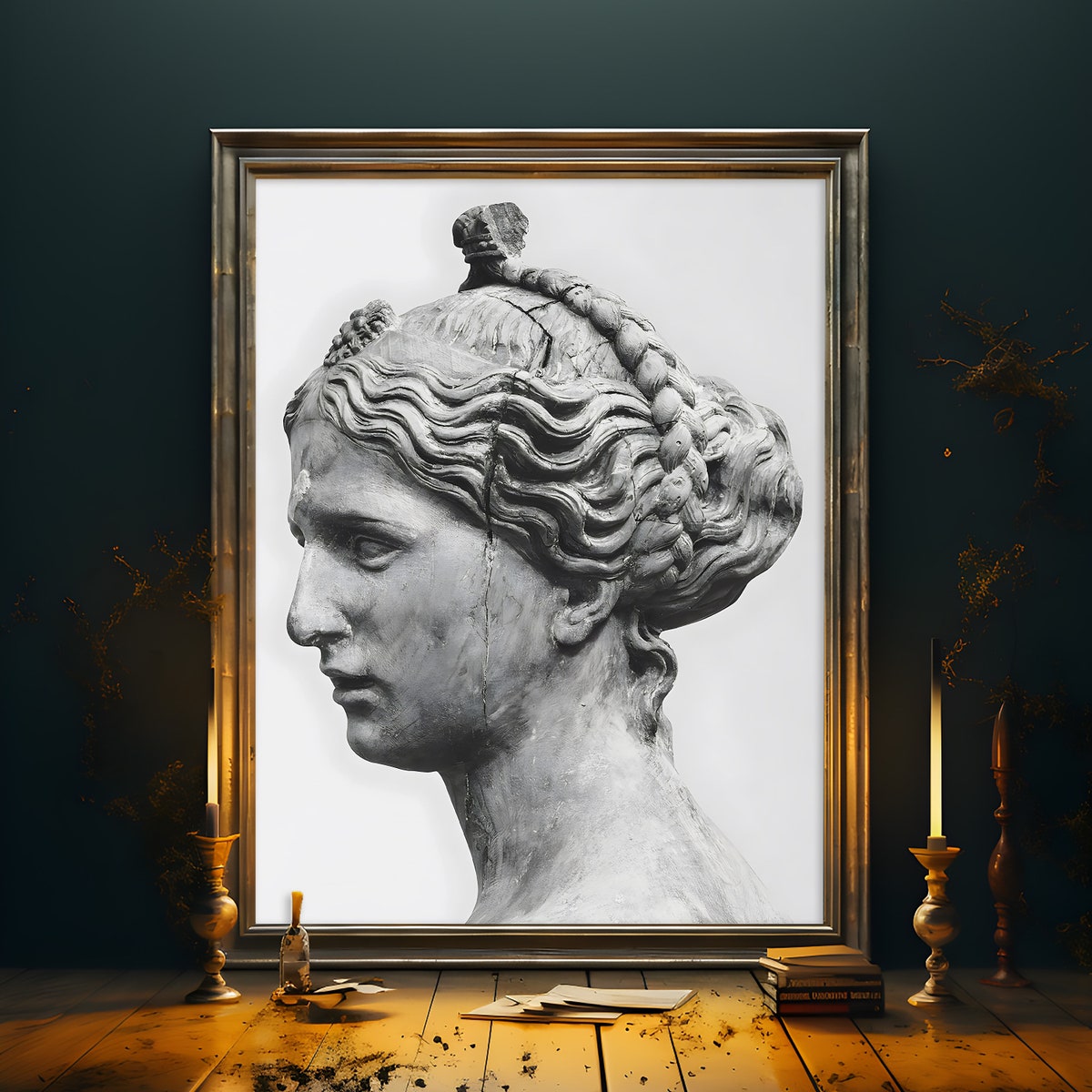
From Classical Revival to Modern Minimalism
For centuries, the revival of classical principles has shaped how we perceive art and design, and none of these conversations begins without a nod to Renaissance art. Emerging between the 14th and 17th centuries in Italy and Northern Europe, this movement championed naturalism and scientific observation. Artists rediscovered perspective, anatomy, and harmony, setting a new standard for spatial depth and proportional fidelity. Although no single masterwork stands at the heart of our focus, the discipline of balanced composition and measured scale runs like a thread through later decorative practices. It remains the historical backbone for interpreting any return to classical motifs in contemporary prints. In this sense, each sculptural outline or printed figure carries an echo of those early modern explorations. Viewed together, they form an intellectual bridge from sacred iconography to secular decor.
Turning to the 19th century, Victorian Era Decor emerges as a study in contrasts between handcrafted detailing and industrial innovation. The era’s appetite for ornament led to interiors that married Gothic and Rococo revival with Classical references and new materials from emerging factories. Mass-produced decorative objects stood alongside artisanal crafts, allowing wallpaper, furnishings, and wall hangings to layer meaning in every corner. This eclectic vocabulary has enduring appeal for modern interiors seeking to channel historical resonance without sacrificing personality. When these rich textures and patterns are rendered in prints rather than original fabrics, they become accessible statements of mood and grandeur. A Victorian art poster may not carry the patina of a storied mansion, but it brings a similar sense of narrative depth to contemporary walls.
In parallel, the pull of Dark Academia aesthetic adds another chapter to this visual anthology by privileging Gothic-inspired imagery and scholarly atmosphere. Its embrace of moody interiors and classical allusions extends the conversation beyond any single period, drawing so readily on Romantic and Gothic literary imagery as on Renaissance tropes. Meanwhile, Mid-Century Modern design stands as a deliberate counterpoint, distilling form to clean lines, functional purpose, and a restrained palette. Originating after World War II, this movement championed the democratization of good design and a clarity of form that still resonates today. Together, these strands—ancient revival, Victorian flamboyance, Gothic scholarship, and postwar simplicity—trace a continuum of aesthetic inquiry that informs how we hang a print as much as how we hang a painting.
Materiality and Visual Language of Decorative Prints
Decorative prints and posters serve as conduits for this layered past, functioning less as standalone masterpieces and more as atmospheric keystones in an interior. Their visual language often incorporates sculptural motifs rendered in ink, paper, or canvas, echoing the formal concerns of Renaissance creators. The play of light and shadow on a printed figure can suggest the same volumetric presence pursued by early modern artists. At the same time, the flatness of a poster invites contemplation of its own surface qualities, reminding viewers that the art of print has always balanced illusion with material reality.
In a Victorian-inspired print, patterns may weave together botanical motifs, heraldic emblems, or architectural fragments in a single composition. Layer upon layer of detail becomes a visual feast, intended to communicate social status and personal taste. When these attributes migrate from handcrafted wallpaper rolls to digitally produced prints, they carry forward that original ambition to transform a wall into a narrative tapestry. The textures and tonal shifts that once resulted from gilt embossing or woven threads now emerge through calibrated ink and carefully chosen paper stocks.
By contrast, prints reflecting Mid-Century Modern principles often present a restrained color palette and streamlined compositions. Lines become tools of economy; form follows function even in poster design. Yet these images rarely abandon historical echoes entirely, reminding us that clarity of form and democratization of design need not sever ties with the past. Instead, they distill essential qualities—proportion, balance, and a sense of scale—that Renaissance art first articulated and that Victorian decor later elaborated.
Curating Atmosphere and Cultural Resonance
The absence of a specific artist or titled masterpiece in these printed collections underscores a curatorial approach that prizes mood over provenance. Contemporary enthusiasts often treat art prints and posters as mood-setting devices, selecting imagery that conjures psychological undertones more than art-historical pedigree. In this spirit, each piece becomes a fragment of a broader stylistic mosaic rather than a singular claim to artistic genius.
Through the interplay of Renaissance-inspired naturalism, Victorian-era ornament, Dark Academia’s Gothic inflections, and Mid-Century Modern restraint, the prints open a cross-century dialogue about representation and the purposes of decorative imagery. They reveal how successive epochs have sought to order, narrate, and beautify space, transforming printed paper into a stage for collective memory. This conversation transcends the boundaries of museums and galleries, entering personal living rooms as visual cues laden with symbolism and affect.
Ultimately, the value of these prints arises from their capacity to convey atmosphere, historical resonance, and psychological tone within a single frame. By invoking the shared human impulse to curate surroundings that reflect both heritage and aspiration, they offer designers and collectors a versatile toolkit. In every curated wall collection, one can sense the invisible thread that ties a sculptural outline to a Gothic arch, a classical figure to a streamlined motif. The tapestry of influences woven by these decorative prints continues to inspire and challenge modern sensibilities.