WE ARE READY TO BRING YOU TOGETHER WITH ART %60 Discount
Roman Casas’ After the Dance: A Study in Nuanced Decadence
Contextual Resonance of Fin-de-Siècle Modernisme
Set in the waning years of the nineteenth century, After the Dance emerges as a singular testament to Catalonia’s flourishing Modernisme. Roman Casas navigated the intersection of a localized Art Nouveau style and the vibrant rhythms of Barcelona’s modern social scene. Painted around 1899, the picture resonates with the cultural shifts and urban aspirations that defined fin-de-siècle society. In naming the work After the Dance, the artist invokes the afterglow of nocturnal sociability and a prevailing sense of refined detachment. This moment of elegant repose captures both the aesthetic innovation of Modernisme and the evolving role of women within an increasingly cosmopolitan milieu.
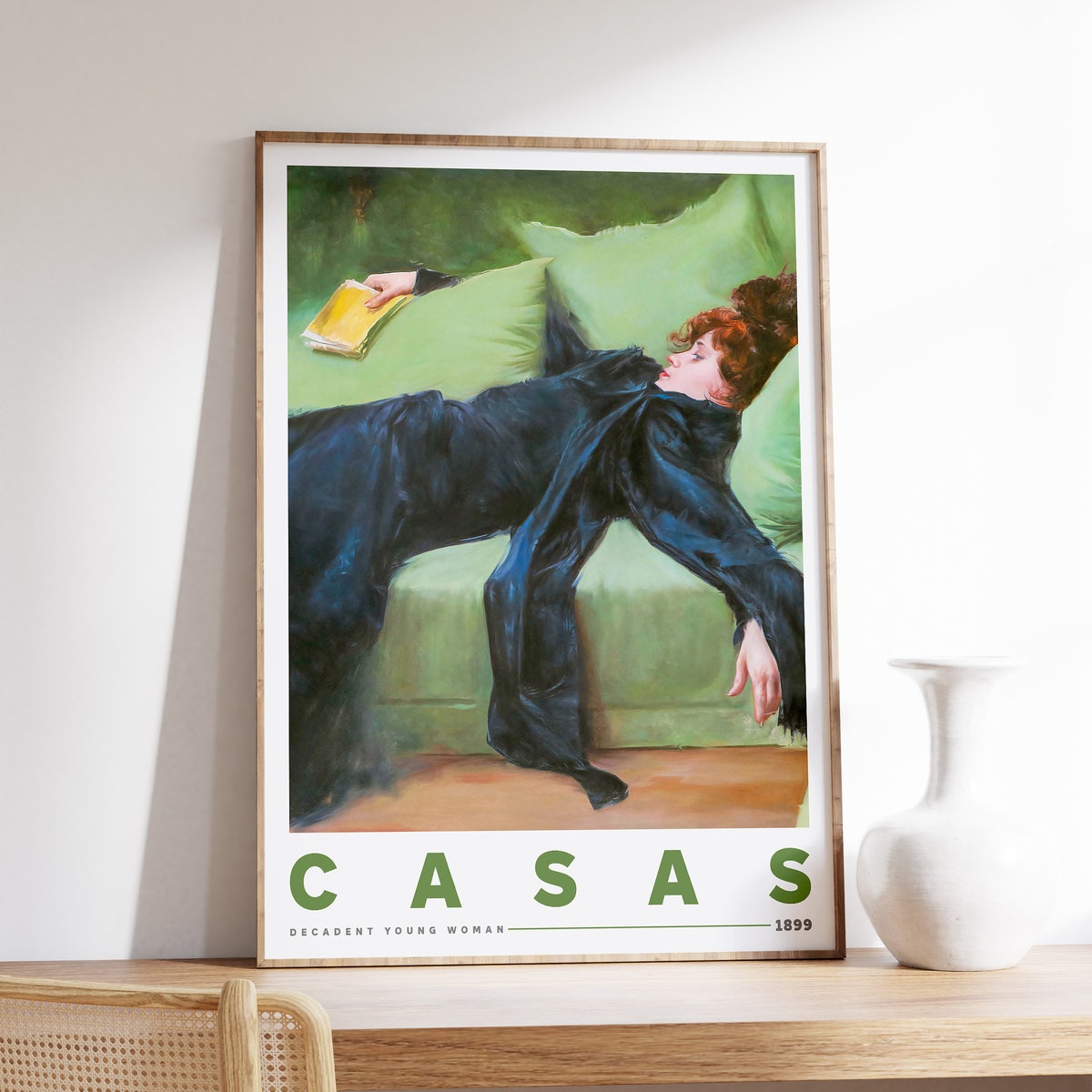
The painting’s central narrative hinges on a singular woman reclining in a serene interior after a night of dancing. Her languid pose and the green upholstery of the sofa articulate a blend of comfort and cultivated restraint. Through subtle gestures of body language, the scene suggests the tension between private introspection and the era’s burgeoning leisure culture. At once weary and composed, she embodies the dual allure of fin-de-siècle decadence and measured social display. This portrayal underscores broader conversations about urban female experience and the gradual transformation of gendered spaces at the threshold of modernity.
Across Europe, artists at the turn of the century were captivated by scenes of private elegance and sensory nuance. In After the Dance, the concentrated focus on a single figure within an enveloping interior aligns with such continental preoccupations. The painting’s atmosphere of poised detachment and understated glamour resonates with the decorative lines and ornamental flair of Art Nouveau. By privileging mood over overt narrative, Casas situates the work within a larger dialogue on modernity, sensuality, and the psychology of urban experience. The refined elegance of the composition reflects how decorative art and everyday life were increasingly entwined in late-nineteenth-century cultural discourse.
Formal Vistas: Color, Texture, and Space
Executed in oil on canvas, After the Dance bears witness to Roman Casas’ mastery of nuanced chromatic restraint. The palette revolves around muted greens and teals that envelop the figure in a soft atmospheric glow. Strokes of deep black provide contrast against the subtle tonal shifts, guiding the eye across folds of fabric and the sitter’s profile. This careful modulation of color creates an intimate ambiance that privileges emotional resonance over bold visual statements. The harmonious interplay of dark garments and gentle backgrounds exemplifies Casas’ ability to marry sober color schemes with refined decorative sensibilities.
The interior setting is defined by lush upholstery and draped textiles, suggesting both comfort and sophistication. A green sofa, its surface articulated through delicate brushwork, becomes an integral component of the painting’s spatial narrative. The interplay of light and shadow on velvet-like fabric underscores the quiet drama within a seemingly tranquil scene. Casas renders the sitter’s dress with a blend of realism and stylized clarity that highlights the grace of each fold. The figure’s relaxed posture conveys a narrative tension between repose and latent momentum beyond the frame.
Throughout the composition, Casas demonstrates a penchant for salon-appropriate imagery that speaks to the tastes of Barcelona’s bourgeois circles. The restrained chromatic approach aligns with prevailing fin-de-siècle decorum while enabling nuanced psychological undertones to emerge. Each subtle gesture—whether a slight turn of the head or a languid extension of an arm—contributes to an atmosphere of contemplative introspection. This attention to minimalism in palette and detail enhances the viewer’s ability to project narratives onto the scene. In this way, After the Dance becomes a silent study in mood, inviting an intimate dialogue between painting and observer.
Cultural Currents and Enduring Allure
The notion of decadence that permeates After the Dance resonates with a late-nineteenth-century fascination for refined excess and subdued drama. The sitter’s repose after a night of social activity evokes a layered sensibility of leisure entwined with subtle unrest. By depicting a private moment of languid beauty, Casas captures the ambivalent allure of urban social rituals. The painting reflects broader anxieties and desires tied to the evolving spectacle of public and private life in modern cities. Ultimately, this work channels a cultural dialogue on indulgence, restraint, and the often-unseen tensions that underlie polite society.
In contemporary print reproductions, After the Dance is frequently celebrated for its moody, vintage-inspired aesthetic. Sellers highlight the piece’s suitability for interiors that favor a cottagecore or refined retro-modern vibe. This commercial revival underscores the painting’s capacity to evoke an era of unhurried elegance and quiet refinement. Such reinterpretations echo the original work’s decorative aspirations while reframing it for today’s domestic contexts. The continued interest in this image speaks to its seamless integration of decorative craft with evocative psychological resonance.
Decades after its creation, After the Dance persists in popular imagination as a hallmark of late-19th-century urban chic and subtle sensuality. Its portrayal of a solitary, contemplative woman continues to inform museum exhibitions focused on gendered imagery and modern life. At the same time, interior decorators and collectors draw upon its refined vocabulary to lend spaces an air of cultured nostalgia. The painting’s adaptability across institutional and commercial realms attests to its multi-faceted cultural significance. It remains a timeless study of modern subjectivity, offering fresh insights into the interplay between art, society, and personal experience.