WE ARE READY TO BRING YOU TOGETHER WITH ART %60 Discount
Quiet Contemplation in Victorian Figurative Art
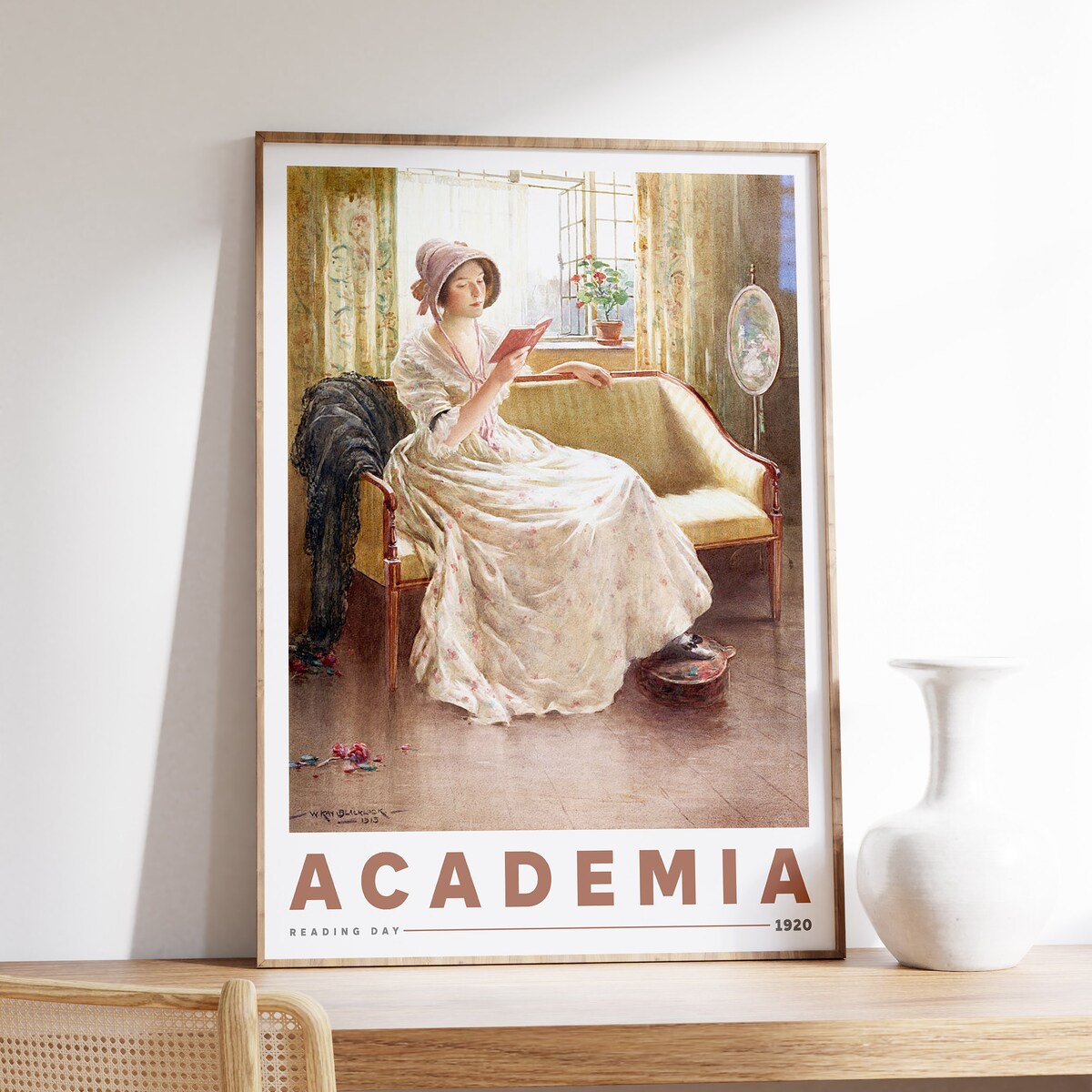
Cross-Channel Currents in Late Victorian Painting
In the closing decades of the nineteenth century, British and continental ateliers forged a creative dialogue that reshaped portraiture and genre painting. Across the Channel, artists introduced naturalistic observation into academic frameworks, blending impressionist touches with precise draftsmanship. Critics and collectors increasingly embraced quieter, introspective subjects rather than grand historical tableaux. In these modest scenes, subtle gestures and domestic settings revealed unexpected emotional depth that spoke directly to an attentive viewer. Such innovations laid the groundwork for more personal expressions that would flourish in subsequent decades.
The New English Art Club epitomized this shift, promoting a relaxed approach to form and colour in contrast to strict academic salons. Its exhibitions in London offered a platform for painters whose brushwork softened and whose tonal palettes welcomed intimacy. Among them, a French-born artist refined his technique in drapery and skin modelling while engaging with modernist currents. This fruitful exchange underscored a broader appetite for images rooted in personal reflection rather than public spectacle. This network of artists and critics fostered a climate where innovation and tradition coexisted productively.
Genre painting began to privilege scenes drawn from everyday life, with the simple act of reading emerging as a favored motif. In these compositions, the sitter was no longer performing but inhabiting a private world, inviting the viewer into her thoughts. The boundary between subject and spectator softened as the painting presented a shared moment of quiet attention. This intimate focus marked a decisive turn toward psychological interiority in late Victorian art. These paintings invited quiet contemplation, offering audiences a respite from the more ostentatious scenes common in earlier art.
One exemplar of this trend centres a single figure within a restrained interior, where a casually draped garment and the assured integrity of line emphasize an economy of detail. The composition’s simplicity encourages lingering observation, as the sitter’s downward gaze and the painting’s silence become its most compelling elements. Such works reframed traditional portraiture, replacing narrative spectacle with the subtle power of calm, contemplative presence. By emphasizing the sitter’s introspective pose, the canvas became an exercise in psychological subtlety rather than narrative convention.
Materiality and the Language of Light
The handling of light in this intimate portrait is central to its emotional impact. Soft, diffused illumination caresses the sitter’s skin, creating a tactile sense of warmth. Shadows fall gently around the chair and behind the draped fabric, grounding the figure in a hushed space. The interplay of light and shadow mirrors introspection, with brightness suggesting focus and shade offering a quiet retreat within the canvas.
The kimono draped over the chair back serves as more than a decorative flourish; it becomes a study in surface and pattern. Its folds ripple with painterly brevity, hinting at Japanese textiles that inspired many European artists. Contrasting the smooth skin with textured fabric accentuates the painting’s tactile dialogue, generating a gentle tension that harmonizes in the subdued palette. This interplay underscores the sitter’s presence through material contrasts.
Brushwork across the composition balances precision with lyrical suggestion. In areas of soft focus, strokes whisper across the canvas, while outlines around the form remain confident and exact. These calibrated variances invite the eye to ‘read’ the painting as one might read a text, uncovering meaning in each stroke. Unified yet varied hues bind skin, fabric, and backdrop in a tonal tapestry that reinforces the scene’s contemplative character.
The restrained palette further underscores the work’s emphasis on mood over spectacle. Eschewing vivid contrasts, the artist selects muted hues that harmonize rather than compete. This measured chromatic choice invites close engagement with the sitter’s posture and the subtle shifts of light across her form. The resulting atmosphere feels less like narrative illustration and more like a poetic fragment preserved in oils.
Reading as Metaphor and Viewer Invitation
The simple act of reading becomes a powerful device for deepening the connection between sitter and viewer. As the figure bends over her book, the painting invites us to wonder what narratives engage her mind. This silent exchange establishes an unspoken rapport, making us willing confidantes in her inner world. By favouring introspective calm over dramatic action, the painting reveals the extraordinary resonance found in a quiet, private moment.
Reading also serves as a metaphor for looking itself. Engaging with the painting requires deciphering layers of meaning in light, line, and gesture. Each brushstroke functions like a word; each shadow, a suggestion beyond the immediately visible. Viewers learn to ‘read’ the canvas much as the sitter reads her book, participating in an interpretive practice that values attentive observation and thoughtful immersion.
At the same time, the work exemplifies a transnational exchange that defined its era. A French-born painter navigated British artistic circuits, absorbing local tastes while sharing continental insights. The resulting image captures a cross-channel conversation about modernity, marrying academic precision with experimental freedom. Such portraits chart the evolving dialogue of European art as it embraced individuality and interiority.
Today, this intimate portrait continues to captivate viewers who seek art that combines technical finesse with emotional subtlety. Its enduring appeal lies in its invitation to slow down and inhabit another’s reflective space. In an age of constant stimulus, it offers a gentle reminder of the beauty found in focused attention. By witnessing this hush of contemplation, modern audiences discover new ways to read both books and painted surfaces.