WE ARE READY TO BRING YOU TOGETHER WITH ART %60 Discount
Echoes of Sculpture: Style Across Eras
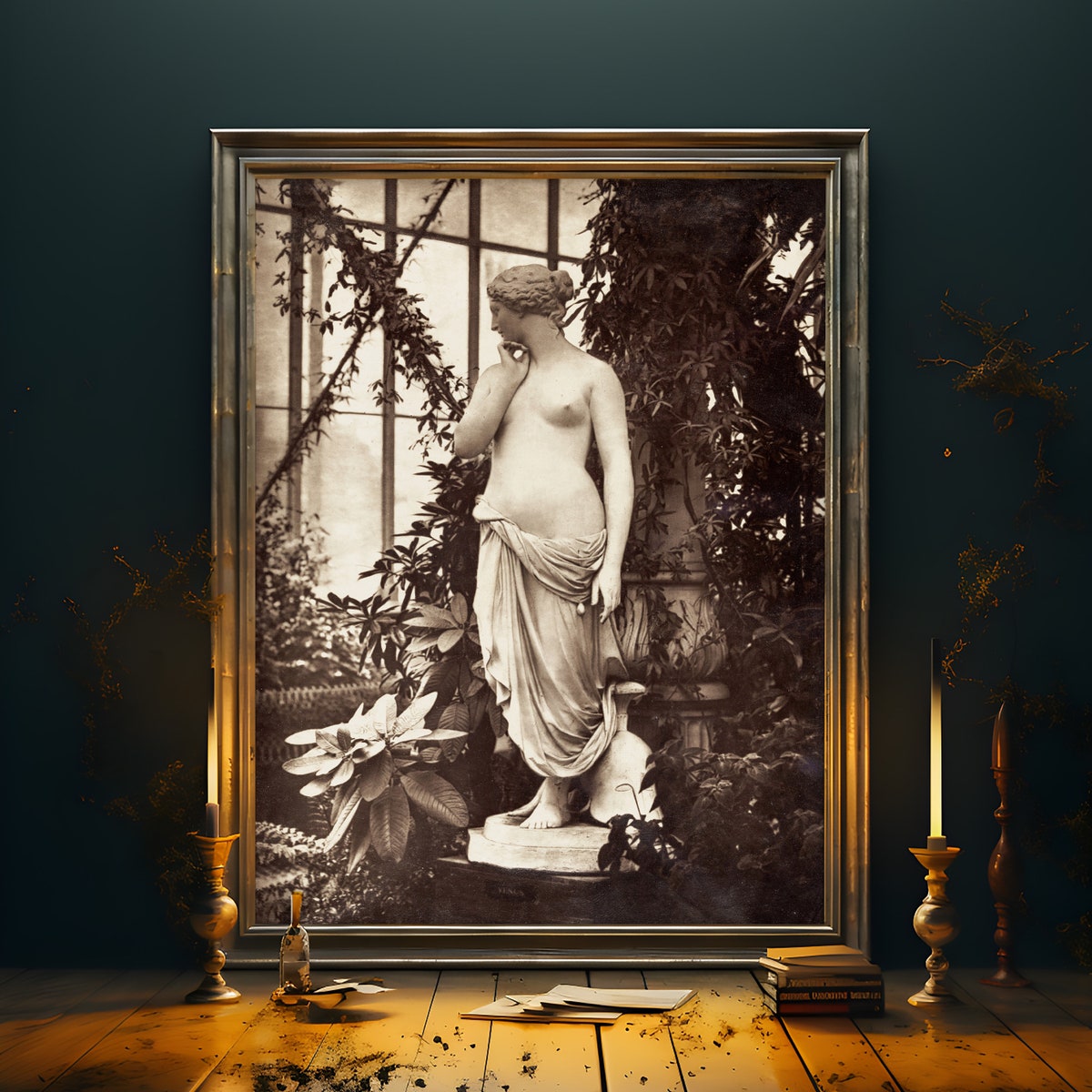
Historical Framing Across Styles
The quiet alchemy of translating three-dimensional sculpture into a printed image invites viewers into a layered dialogue between past and present. From the marble halls of Renaissance ateliers to the richly decorated parlors of Victorian homes, such reproductions serve as cultural conduits that bridge distant epochs. They offer a way to inhabit classical ideals without the barriers of scale or cost, bringing grand forms into intimate settings. In their two-dimensional stillness, sculpture prints evoke texture, depth, and form that harken back to monumental prototypes while adapting fluidly to modern walls. This convergence of history and accessibility underscores the enduring appeal of sculptural imagery in contemporary décor.
In the Victorian era, a museum-like display strategy permeated private homes, transforming parlors into curated galleries of moral and intellectual aspiration. Busts, medallions, and sculptural fragments found company in printed reproductions, each piece signaling erudition and refinement to visitors. These prints became a pedagogical tool, reinforcing the Victorian conviction that art could shape character and impart ethical values. Households mingled plaster casts and detailed wall prints in eclectic ensembles, demonstrating both wealth and a commitment to cultural education. In framing sculpture as a visual lesson, Victorian décor practices laid groundwork for future generations of interior tastemakers.
Yet the ambition to evoke classical grandeur did not cease with Victorian eclecticism but looped back to Renaissance ideals of proportion and mythic narrative. Renaissance sculptors established a canon of form through idealized human figures and allegorical reliefs, and later eras have continually admired and reinterpreted these exemplars. Mid-century modernism, emerging after World War II, rejected superfluous ornamentation in favor of clarity and function, even as it retained an appreciation for sculptural presence in the home. Its emphasis on simplicity offered a new lens through which prints of ancient busts and statues could be experienced as disciplined accents. More recently, Dark Academia’s moody intellectualism has resurrected plaster casts and classical motifs, blending them into spaces that feel both scholarly and atmospheric.
Formal Qualities and Material Translation
The challenge of capturing a sculpture’s volume on paper hinges on the interplay of light, shadow, and suggestion. Skilled reproductions translate the taper of a marble neck, the curve of a draped shoulder, and the subtle expressions of carved gaze into gradients of ink or digital pixels. Relief prints, for example, simulate the depth of carved friezes through delicate shading techniques that hint at undercut shadows. Even in flat media, viewers can sense the solidity of marble or bronze, perceiving implied weight and texture. This transformation from three-dimensional artifact to two-dimensional surface demands both technical precision and a keen sensitivity to material nuance.
When integrated into interiors, sculpture prints become active collaborators in spatial composition. The choice of frame—whether a dark wood reminiscent of Victorian moldings or a sleek metal echoing mid-century restraint—significantly alters the viewer’s reception of the work. Scale too is decisive: a small medallion print can serve as a discreet detail, while a large-scale poster commands attention as a modern focal point. Arranged alongside shelves of antique volumes or paired with minimalist furnishings, these prints adapt their character to the surrounding décor. Such flexibility illustrates how form and presentation unite to create a cohesive visual narrative in any room.
Beyond individual prints, curated sets can weave together Victorian gravitas, Renaissance reverie, and modernist clarity into a single cohesive display. A dark-framed etching of a classical bust might hang beside a clean-lined mid-century poster, each piece amplifying the hallmarks of its source era. Textural contrasts—such as the rough suggestion of a plaster fragment against polished graphic backgrounds—heighten the overall sensory experience. When Dark Academia strains the mood toward scholarly introspection, these juxtapositions gain additional emotional resonance. Ultimately, the formal qualities of line, shadow, and proportion operate in concert with aesthetic context to shape both ambiance and meaning.
Cultural Resonance and Contemporary Appeal
At its core, the phenomenon of sculpture prints speaks to a broader cultural impulse: the democratization of high art. Reproductions made it possible for households of modest means to access the grandeur once reserved for palaces and public galleries. This accessibility fostered a sense of personal agency in interior curation, empowering individuals to craft spaces that reflected their intellectual passions. In Victorian parlors, these prints signaled moral seriousness; in mid-century living rooms, they signified a commitment to democratic design principles. Across eras, the symbolic power of sculpture images resides in their ability to confer cultural capital without exclusivity.
The strategic bundling of terms like ‘Victorian,’ ‘Renaissance,’ ‘Mid Century Modern,’ and ‘Dark Academia’ in a single product listing highlights a contemporary marketplace that prizes versatility. Consumers today seek art objects that can resonate with multiple design sensibilities, adapting ‘chameleon-like’ to shifting décor schemes. The juxtaposition of historical revival and modern minimalism in one print listing reveals an awareness of cross-epoch appeal: a piece may evoke archaic gravitas in one setting or speak to sleek modernism in another. This marketing language mirrors broader cultural trends toward eclectic personalization and the blurring of rigid stylistic boundaries. In naming multiple movements, sellers tap into a collective desire for layered meaning and flexible taste.
In the digital age, Dark Academia and related subcultures amplify the allure of sculpture prints through curated social feeds and design blogs. Platforms like Etsy serve as virtual cabinets of curiosity, where collectors assemble aesthetic motifs drawn from classical antiquity and 19th-century revival alike. The atmospheric quality of these prints—softly rendered shadows, classical profiles, and the sense of a bygone era—feeds online narratives around nostalgia and intellectualism. As a result, sculpture prints have become more than decorative items: they function as tangible anchors for immersive lifestyle aesthetics. By embracing both history and adaptability, these reproductions sustain an ongoing dialogue between past artistry and present-day sensibilities.