What Your Favourite Painter Says About You
Updated: Jun 17
Tell me which painter you can't stop returning to, and I'll tell you something about your inner weather. This isn't a parlour trick. Painters compose themselves, slowly, into the work they leave behind — and the painter you can't shake is the one whose temperament most resembles your own. The match is real, even when it surprises you.
Six painters. Six inner climates.
The restless flame
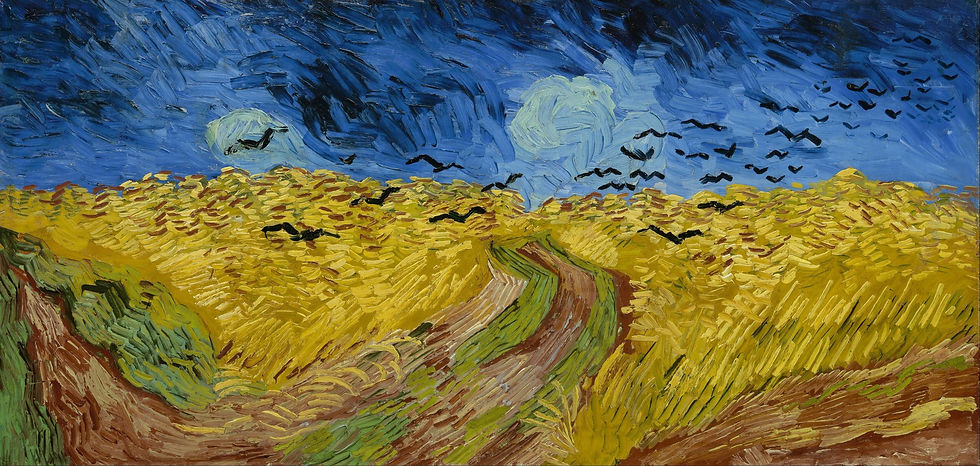
If you keep coming back to Van Gogh — to the cypress on the left of Starry Night, to the heavy yellow of the wheatfield, to the impasto thick enough to read in low light — you are likely someone who feels intensely and visibly. You don't soften. You don't compose for the camera. Your way of being in the world is to overflow it. Van Gogh painted the only kind of landscape he could: one that took the shape of his feelings about it. The same temperament — present in Caravaggio, in Munch, in Schiele — runs through the canon as a single thread. It is the temperament of those who refuse to call beauty by another name when what they feel is closer to fire.
The gilded principle
If your favourite is Klimt — the gold leaf, the patterned fabric, the lovers who are more than half decoration — you are likely the kind of person who treats beauty as a principle, not a frivolity. Visual perfection is, for you, a way to hold the world steady. Klimt understood this without apology. Ornament was never excess to him; it was the only honest answer to a world that won't sit still. The same instinct flows through Sargent's elegant society portraits and through Renoir's sun-warmed gardens. Beauty is, for them, the most serious subject of all.

The patient observer
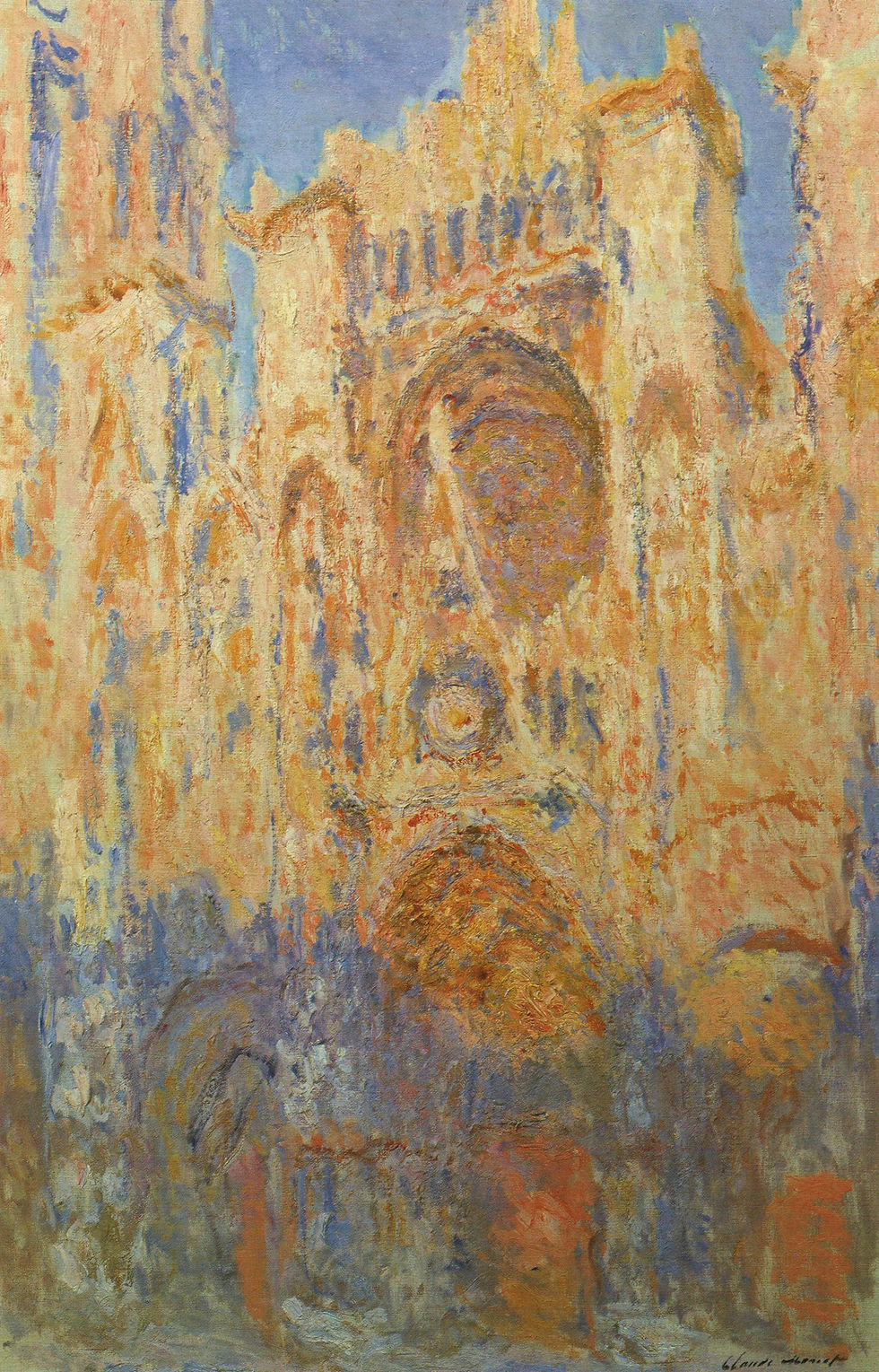
If you return to Monet — the Water Lilies, the cathedral series, the haystacks painted twenty-five times — you are likely the kind of person whose pleasure is slow. You read a room before you speak. You sit with weather. You let the same view show you something different every time you look. Monet's discipline was the same as yours: to chase the change, not the thing being changed. Hokusai shared this temperament. So did Rembrandt, in his own quiet way, staring at his own face decade after decade until the face became the painting.
The night side of things
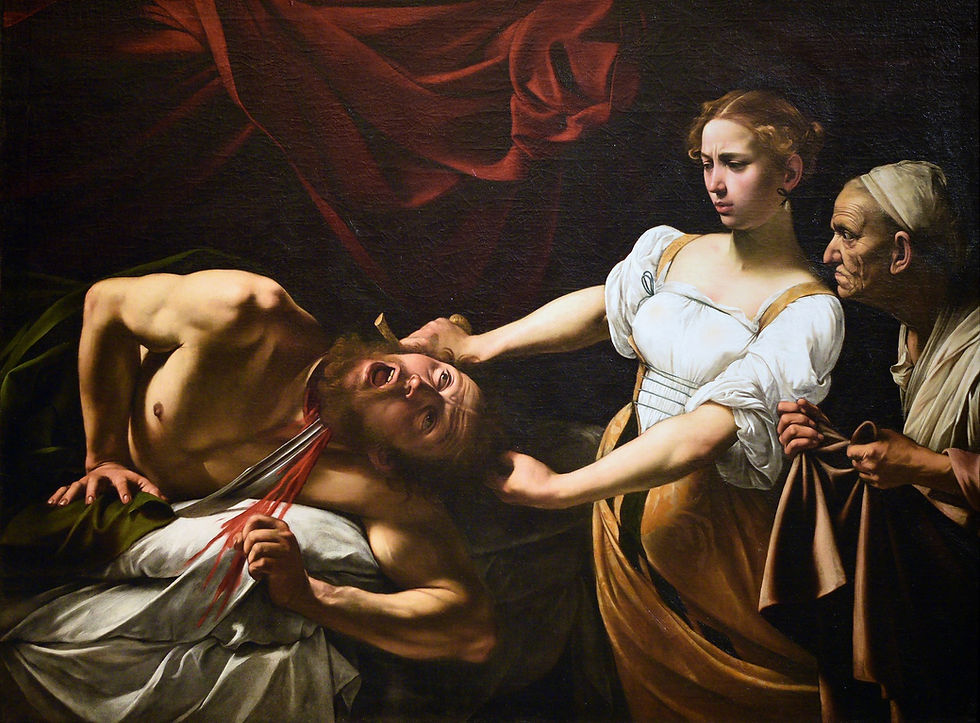
If you can't get away from Caravaggio, Rembrandt, Munch — the dark canvases, the candle in the cellar, the body stripped of flattery — you are likely someone who finds shallow comfort boring. The truth, for you, lives in the part of the room the light doesn't reach. You'd rather have one intense second than a year of calm. There is a single visual idiom — chiaroscuro, the knife of light through shadow — that runs from the seventeenth century to the modern psychological portrait. It speaks to a temperament that won't be lied to.
Find your match
Ten painters. Six questions. About two minutes. Find the master whose temperament matches yours — and then, if it suits, find one of their pieces in the archive.
Browse the archive at zocineartdesign.etsy.com.


Comments